Showing posts with label Zoofarmacognosia. Show all posts

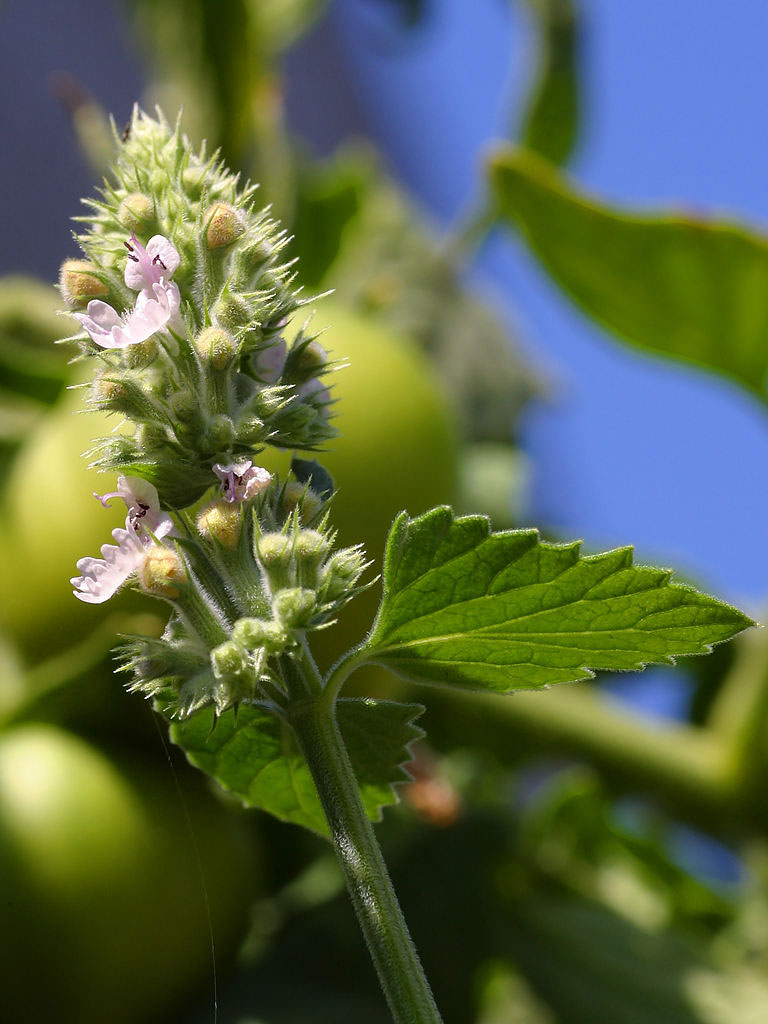
Nepeta cataria - hierba gatuna

pasar puntero sobre imagen para identificar especiesmove pointer over image to identify species

Reino: Plantae
División: Magnoliophyta
Clase: Magnoliopsida
Orden: Lamiales
Familia: Lamiaceae
Subfamilia: Nepetoideae
Tribu: ?
Género: Nepeta
Especie: Nepeta cataria


catnip | hierba gatera | albahaca de gatos | gataria | menta gatuna | nebeda

Esta planta desprende un fuerte olor a menta que atrae a los gatos que comen sus flores, olisquean, mastican y se frotan en sus hojas y vuelven una y otra vez a por una dosis de su embriagadora esencia.
Los aceites aromáticos de esta planta hacen que los gatos que la ingieren se comporten en un principio de manera muy juguetona, pero a medida que aumentan los efectos del aceite, su comportamiento se convierte más extraño, cazan ratones imaginarios, echan espuma por la boca.

El ingrediente activo de la hierba gatera es la nepetalactona, esta sustancia está químicamente relacionada con un compuesto similar encontrado en orina de gatas. Esta puede ser la causa porque los machos tienen una atracción mayor por la Nepeta que las hembras y machos castrados.

Spider-Web Patterns

In 1995, NASA’s Dr. David Noever and his fellow researchers at the Marshall Space Flight Center studied the webs spun by common house spiders (Araneus diadematus) dosed with several drugs, including LSD, marijuana, benzedrine, chloral hydrate and caffeine. The more toxic the drug, the less organized the web the spider created. The spider on marijuana drifted off before finishing the job. The spider on benzedrine, an upper, worked energetically but without much planning. The spider dosed with chloral hydrate, a sedative, soon fell asleep. To the surprise of Dr. Noever et al, caffeine did the most damage of all the substances tested. The spider dosed with it proved incapable of creating even a single organized cell, and its web showed no sign of the “hub and spokes” pattern fundamental to conventional web design. What does the web of a caffeinated spider (which can hardly be accustomed to the jolt of a morning latte) have to do with human behavior? Unlikely as it sounds, it may be the most vivid illustration of caffeine’s disorienting effect on caffeine-sensitive people, many of whom may be misdiagnosed as mentally ill: “Caffeine-induced psychosis, whether it be delirium, manic depression, schizophrenia, or merely an anxiety syndrome, in most cases will be hard to differentiate from other organic or non-organic psychoses….The treatment for caffeine-induced psychosis is to withhold further caffeine.”

Hesselberg, T., & Vollrath, F. (2004). The effects of neurotoxins on web-geometry and web-building behaviour in Araneus diadematus Cl. Physiology & behavior, 82(2-3), 519–529. https://doi.org/10.1016/j.physbeh.2004.04.058

Popular